[Télécharger] Natural Colors to Dye For - How to use natural dyes from plants and fungi (English Edition) de Frann Leach Pdf Ebook
Télécharger Natural Colors to Dye For - How to use natural dyes from plants and fungi (English Edition) de Frann Leach Livre PDF Gratuit
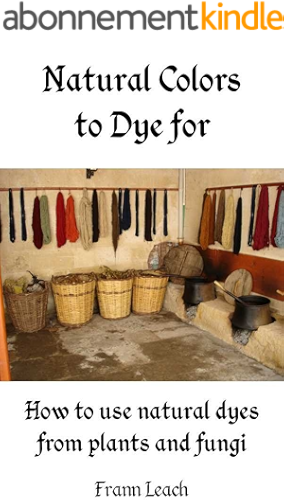
Télécharger "Natural Colors to Dye For - How to use natural dyes from plants and fungi (English Edition)" de Frann Leach Livres En Ligne
Auteur : Frann Leach
Catégorie : Ebooks Kindle,Ebooks en langues étrangères,Par langue
Broché : * pages
Éditeur : *
Langue : Français, Anglais
***************************************************Now with dye quick reference on each herb's description page.***************************************************Natural dyes come in hundreds of colors, depending on different combinations of plant and mordant. The basic method remains the same with some small variations. All you really need to know is which plants will give you the color you want, so you can obtain supplies."Natural Colors to Dye For" tells you what equipment you need, how to go about dying and gives over 200 recipes for particular colors.A catalog of dye plants with information about cultivation and harvest is also provided.A 19th Century Craft Brought Up To DateEquipment Needed for DyingBasic Dying MethodDye Recipes: Blacks and Grays Blues Browns and Tans Greens Oranges and Rusts Purples Reds and Pinks YellowsDye Plants Catalog
Télécharger Natural Colors to Dye For - How to use natural dyes from plants and fungi (English Edition) de Frann Leach Pdf Ebook
Making Natural Dyes from Plants - Pioneer Thinking ~ Roots, nuts and flowers are just a few common natural ways to get many dye colors. Yellow, orange, blue, red, green, brown and grey are available. Go ahead, experiment! Gathering plant material for dyeing: Blossoms should be in full bloom, berries ripe and nuts mature. Remember, never gather more than 2/3 of a stand of anything in the wild when gathering plant stuff for dyeing. To make the dye .
How to Dye Fabric With Natural Dyes - The Spruce Crafts ~ How to Modify Colors . There are several plant dyes that can be modified by using an iron mordant to significantly change the color. Iron will turn some golds to moss greens, reds to plum or maroon, and will darken browns. The modification takes place after the fabric is dyed with the original plant dye bath. Fill a dye pot or bucket with warm water, add one tablespoon of ferrous sulfate per .
The Ultimate List of 85 Natural Colors - Natural Dyeing ~ There are many naturally occurring plants, minerals and crustaceans from which you can extract color and produce natural dyes. From soft pastel to strikingly rich natural colors, your yarn or fabric will thank you for it. As with everything in life, some work better than others and produce stronger and longer lasting color. This list is far from exhaustive but will give you a good idea of .
Natural Dyeing 101 / Make: ~ Beautiful colors were produced from plants, wood scraps, mud, shellfish, and even bugs. My friends and I once spent an entire summer experimenting with natural dyes. It was a fun way to bring more color into our lives; it’s sure to be the same for you. Many natural sources of dye are still available today and are simple to use. In this .
Natural Dyes - Textile Natural Dyes and Industrial Natural ~ Historically, natural dyes were used to color clothing or other textiles, and by the mid-1800's chemists began producing synthetic substitutes for them. By the early part of this century only a small percentage of textile dyes were extracted from plants. Lately there has been increasing interest in natural dyes, as the public becomes aware of ecological and environmental problems related to .
Application of Natural Dyes,Classification of Natural Dyes ~ Read article about Application of Natural Dyes: Natural dyes, Eco Friendly Natural Dyes use in the coloration of textiles, foods, drugs, and cosmetics. Classification of Natural Dyes based on .
Natural Dye Extract Instructions - Botanical Colors ~ Botanical Colors Natural Dye Extract Instructions. Natural dyes are a wonderful way to learn about the hidden colors in nature. We obtain yellow and purple from exotic dye woods, red from the cochineal bug and brown from a sweet-smelling resin. Follow the easy instructions below for best results and enjoy the color journey! Fiber Preparation and Mordanting. Your fiber should be scoured and .
Natural Dyes for Fabric: All Natural Ways to Dye Fabric ~ We use natural dyes for fabric because we want something non-carcinogenic and not harmful to our environment. Natural dyeing is gradually making its way in the global market and the production of naturally dyed eco-friendly textiles itself is a boon to save the environment from hazardous synthetic dyes.[1] Not all natural materials will produce a dye, and some produce colors that are nothing .
Natural dyes from dye plants / buy natural dyes & learn ~ What are natural dyes? Most natural dyes come from dye plants, the best-known ones including madder, brazilwood, logwood, weld, woad and indigo. Some natural dyes, such as cochineal, come from insects, or from mineral sources. Madder, weld and other dye plants have been used for thousands of years. Until the late 1800s when synthetic dyes came into common use, textile colours came from the use .
Wild Colours natural dyes store / Buy natural dyes and ~ If you want natural dyes or dye plant seeds that are not on the list, let us know via the Contact Form to help us decide what to stock in the future. Top of page . How to contact us:-Wild Colours natural dyes, Studio 319, Scott House, The Custard Factory, Gibb St, Birmingham B9 4DT, UK Contact Teresinha for enquiries Tel: +44 (0)7979 770865 email: info@wildcolours [International] UK .
How to Make Natural Dyes: 12 Steps (with Pictures) - wikiHow ~ How to Make Natural Dyes. Ever wonder how Great-great-grandma dyed the cloth for the family clothing? Perhaps you've been curious about "natural" colors and how to make them? Here is a primer to get you started with your own natural color.
How to Make Natural Red Fabric Dye - The Spruce Crafts ~ Once you have extracted the color from the natural tannins in the plant material, you can use it to dye yarns and fabrics. To create the deepest and longest-lasting colors, use plenty of the plant material, allow the dye bath to steep for several hours, and use appropriate mordants to set the colors in the fabric.
Get Natural Colors to Dye For - How to use natural dyes ~ Natural Colors to Dye For How to use natural dyes from ~ Natural Colors to Dye For How to use natural dyes from plants and fungi Kindle edition by Frann Leach Download it once and read it on your Kindle device PC phones or tablets Use features like bookmarks note taking and highlighting while reading Natural Colors to Dye For How to use natural dyes from plants and fungi
8 Frequently Asked Questions About Natural Colors and Dyes ~ Whole natural dyestuffs must be prepared and soaked to make the plant color available and the soaking water becomes the dye bath. They are often used in a 1:1 ratio, requiring a large amount of dyestuff per pound of fabric. Natural dye extracts are concentrated powders or liquids that are easily dissolved in water and ready to add to the dye pot or dye machine. These concentrated dyes are .
Natural dye from your garden - beautiful, creative and ~ I recently did a video on dyeing tablecloths with Dylon, but it can’t be used for wool or silk. So when I heard about Yasmin’s natural dyeing, I was keen to hear more. I wrote about how to create stunning dyes from your garden plants after interviewing a friend in Australia who is ‘mapping her garden with dye plants.’ And in the RHS Chelsea Flower Show 2016 a Dyer’s Garden was .
Natural Dyes From Vegetables and Plants / Martha Stewart ~ Natural Dyes From Plants and Vegetables We used beets, spinach, turmeric, and red cabbage to create a brilliant range of dye colors. 2.4 k Shares
How to Make and Use Natural Dyes - Gardening Channel ~ And with natural plant dyes you don’t need to use dangerous chemicals. Dying with plants is an ancient art. Following is one simple method of making natural dye and using it to color fabric. Collecting the Plant Material for Natural Dyes. If you collect plant dye material from plants that grow in woods and fields, be sure that you know the plants because some wild plants. Some wild plants .
Dyes From Plants: Learn More About Using Natural Plant Dyes ~ Natural dyes were used as war paint and to color skin and hair long before they were used to dye fiber. Best Plants for Dyeing. Plant pigments create dyes. Some plants make excellent dyes, while others just don’t seem to have enough pigment. Indigo (blue dye) and madder (the only reliable red dye) are two of the most popular plants for producing dyes as they have a great amount of pigment .
Natural Dyes: Sources, Chemistry, Application and ~ dye-yielding plants are used as medicines in various traditional medicinal systems. There are several challenges and limitations associated with the use of natural dyes. The current dyestuff requirement from the industry is about 3 million tonnes. Considering this fact, the use of natural dyes in mainstream textile processing is a big challenge. As agricultural land is primarily required to .
How to Make Homemade Natural Dyes - Earth Friendly Tips ~ How to Make Homemade Natural Dyes. Before you toss that spinach that’s starting to wilt or those orange peels from your lunch into the compost pile, consider saving them to make your own homemade natural dyes.. Homemade dyes are ideal for creating lovely shades in your dyed fabric, coloring Easter eggs, and making your own natural face paint.Best of all, making homemade natural dyes is easy .
Natural Colors to Dye For - How to use natural dyes from ~ Natural Colors to Dye For - How to use natural dyes from plants and fungi - Kindle edition by Leach, Frann. Download it once and read it on your Kindle device, PC, phones or tablets. Use features like bookmarks, note taking and highlighting while reading Natural Colors to Dye For - How to use natural dyes from plants and fungi.
NATURAL DYES - SlideShare ~ Natural dyes are environment friendly for example, turmeric, the brightest of naturally occurring yellow dyes is a powerful antiseptic which revitalizes the skin, while indigo gives a cooling sensation. Many of the plants used for dye extraction are classified as medicinal and some of these have recently been shown to possess antimicrobial activity. Many other common natural dyes are reported .
Natural Dyes - WikiEducator ~ Natural dyes are dyes derived from animal or plant material without any chemical treatment. They are obtained from sources like flowers, leaves, insects, bark roots etc.; however, they are not readily available and involve an extraction process. In prehistoric times, natural colourants were usually obtained from berries, blossoms, barks and roots. They were applied to the fibre without any .
Natural Dye: Plants You Can Grow To Color Things Naturally ~ Hi Connie, I grow my own dyes for soap. Madder root is great, infuse into oil. Indigo, weld, woad all work well to. For a pale pink dock root can be used. carrot for orange, tomato for red. cucumber juice adds to soap & you can use the green to colour, there are many other plants that can be used to dye & some that can be added like poppy seeds to exfoliate.
Comments
Post a Comment